3.0mm Diamond Sand PVC Pickleball Flooring: Selection and Installation Guide
Author: TUCE Pickleball Content Team
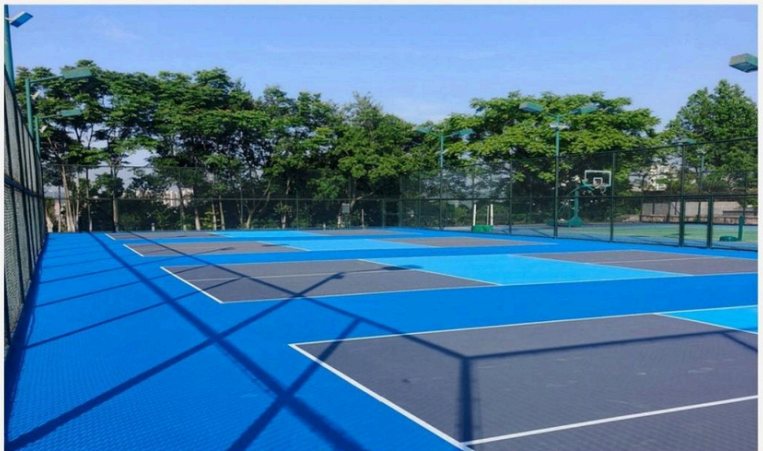
3.0mm Diamond Sand PVC Pickleball Flooring: Selection and Installation Guide
The rapid growth of pickleball has made court quality a top priority for facility owners and players. Choosing the right flooring directly impacts playing experience, safety, and long-term value. This guide focuses on <a href="https://tucepickleball.com/en-US/products/202602-indoor-floor-lydpak-30mm-diamond-sand-pvc-indoor-pickleball-court-floorin">3.0mm Diamond Sand PVC Indoor Pickleball Court Flooring</a>—widely popular for its performance and price advantages. We'll walk you through selection criteria, project planning, installation coordination, and maintenance decisions to ensure your court meets the highest standards.
<a href="https://tucepickleball.com/zh-CN/products/202602-indoor-floor-lydpak-30mm-diamond-sand-pvc-indoor-pickleball-court-floorin">3.0mm Diamond Sand PVC Indoor Pickleball Court Flooring</a>
Why Choose 3.0mm Diamond Sand PVC Flooring?
Before diving into the guide, it's essential to understand the advantages of this flooring. The 3.0mm thickness provides adequate cushioning without excessive bounce, while the diamond sand texture ensures stable ball response and slip resistance. This combination enhances player confidence and reduces fatigue, making it ideal for both recreational and competitive play.
3.0mm Diamond Sand PVC Indoor Pickleball Court Flooring is designed for indoor use, capable of withstanding heavy foot traffic and equipment movement. Its PVC material ensures moisture resistance and easy cleaning, making it a practical choice for multi-purpose facilities.
Selection Criteria: What to Look For
1. Thickness and Performance
The 3.0mm thickness is a key factor. It provides adequate underfoot comfort while maintaining a firm surface for precise ball rebounds. Compared to thinner options, this thickness reduces joint impact stress—a critical advantage for players spending long hours on the court.
2. Surface Texture
The diamond sand texture is designed to provide optimal grip. Look for a consistent, non-abrasive surface that allows quick stops and turns without excessive wear on shoes or skin. This texture also helps regulate ball speed, ensuring controlled play.
3. Material Quality and Certifications
Ensure the PVC meets industry standards for slip resistance, shock absorption, and environmental safety. High-quality materials resist fading, warping, and chemical damage. While specific certifications may vary, always request technical data sheets and warranties from suppliers.
4. Supplier Reliability: Consider TUCE Pickleball
When sourcing flooring, partner with an established manufacturer like TUCE Pickleball, a leading supplier of PVC flooring and pickleball equipment. They offer OEM/ODM services, including custom design, sampling, and finalization, tailored to your project's specific needs (Fact ID: Company Brand Fact-R27, Fact ID: Company Brand Fact-R28). This flexibility ensures you get a product that matches your court's dimensions and aesthetic requirements.
Project Planning: From Vision to Reality
1. Site Assessment
Conduct a thorough assessment of your indoor space. Measure the court dimensions, check subfloor flatness (tolerance within 3mm over 2 meters), and evaluate lighting and climate control. These factors affect flooring performance and longevity.
2. Budget and Cost Considerations
The price of 3.0mm diamond sand PVC flooring varies by brand, quality, and installation complexity. Allocate budget not only for materials but also for subfloor preparation, adhesives, tools, and professional labor. While 3.0mm flooring is cost-effective upfront, investing in professional installation will pay off in long-term performance.
3. Timeline and Logistics
Plan a realistic installation window—typically 1-3 days for a standard court, including floor preparation and curing time. Coordinate with suppliers to ensure materials arrive on time. For large projects, consider phased installation to minimize disruption.
Installation Coordination: Step by Step
1. Subfloor Preparation
The success of 3.0mm Diamond Sand PVC Indoor Pickleball Court Flooring depends on a clean, dry, and level subfloor. Repair cracks, fill low spots, and ensure moisture levels are within acceptable limits (typically below 3% for concrete). Moisture barriers may be necessary in high-humidity areas.
2. Acclimatization
Before installation, allow the PVC rolls to acclimate in the installation environment for at least 24 hours. This prevents expansion/contraction after installation. Maintain room temperature between 15-25°C (59-77°F) during this period.
3. Pre-laying and Numbering
Following the manufacturer's layout plan, pre-lay the rolls to confirm orientation, pattern, and dimensions. Number each roll according to the numbering plan to avoid confusion during installation (Fact ID: Construction Installation and Maintenance-R15). This step ensures a seamless fit and minimizes waste.
4. Adhesive Application
Use the recommended adhesive (pressure-sensitive or full-spread) based on your subfloor type. Apply adhesive evenly with a trowel. For large areas, work in sections to prevent the adhesive from setting before laying.
5. Laying and Seam Treatment
5. Laying and Seam Treatment (continued)
Carefully unroll and position each piece, using the numbering as a guide. Use a roller to press the flooring firmly into the adhesive, expelling air bubbles. For seams, use heat welding or cold solvent per the manufacturer's instructions, then trim excess material for a nearly invisible seam.
6. Post-Installation Inspection
After installation, inspect the surface for wrinkles, lifting, or misalignment. Re-roll the entire court to ensure secure adhesion. Allow adhesive to cure completely (usually 24-48 hours) before line marking or opening for use.
Maintenance Decisions: Keeping Your Court in Top Condition
1. Daily Care
Regularly sweep and vacuum to remove grit that may scratch the surface. For deep cleaning, use a neutral pH cleaner diluted in water. Avoid harsh chemicals that may degrade PVC or dull the surface.
2. Sports-Related Care
Use only non-marking athletic shoes on the court. Place floor protectors under heavy equipment (e.g., pickleball net posts, chairs) to prevent indentation. Wipe up spills immediately to prevent staining.
3. Periodic Inspections
Schedule quarterly inspections to check for signs of wear, seam integrity, and adhesion. Address minor issues promptly to avoid costly repairs. With proper maintenance, 3.0mm diamond sand PVC flooring can last 3-5 years or more, depending on usage intensity.
Conclusion: Making the Right Choice
Investing in 3.0mm Diamond Sand PVC Indoor Pickleball Court Flooring is a wise decision for any facility. By carefully selecting the product, planning your project, coordinating installation, and maintaining the floor, you'll create a safe, high-performance court that players will enjoy for years.
Ready to elevate your pickleball experience? Contact TUCE Pickleball today to explore our PVC flooring solutions, customizable to your court specifications. Our OEM/ODM capabilities ensure you get a perfect match. Request a quote now and take the first step toward your dream court!
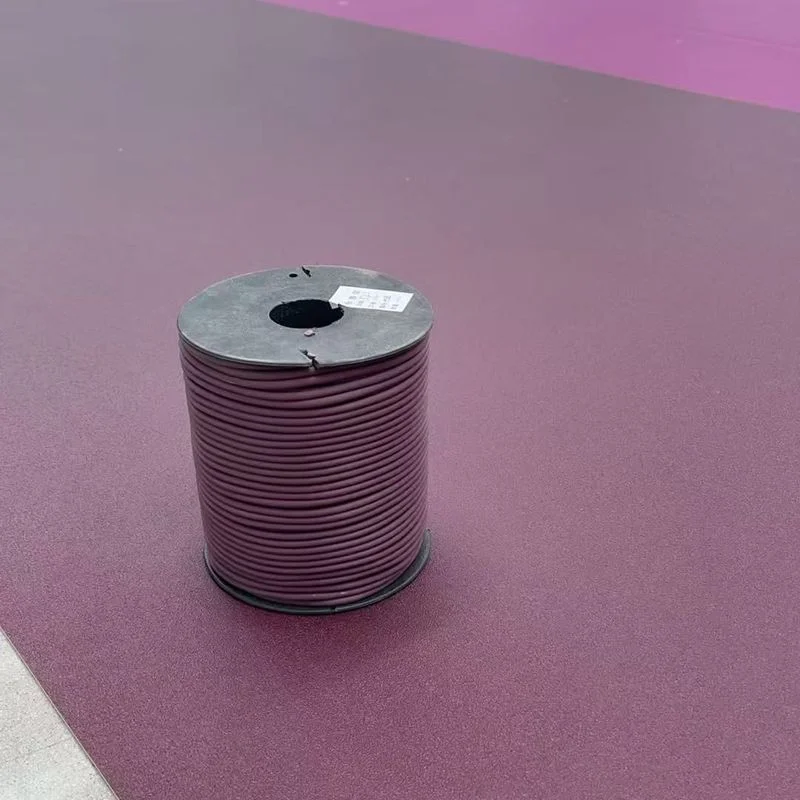
3.0mm Diamond Sand PVC Indoor Pickleball Court Flooring product video
3.0mm Diamond Sand PVC Indoor Pickleball Court Flooring product video