The Complete Guide to Pickleball Net Post Specifications (2024 Edition)
Author: TUCE Pickleball Content Team
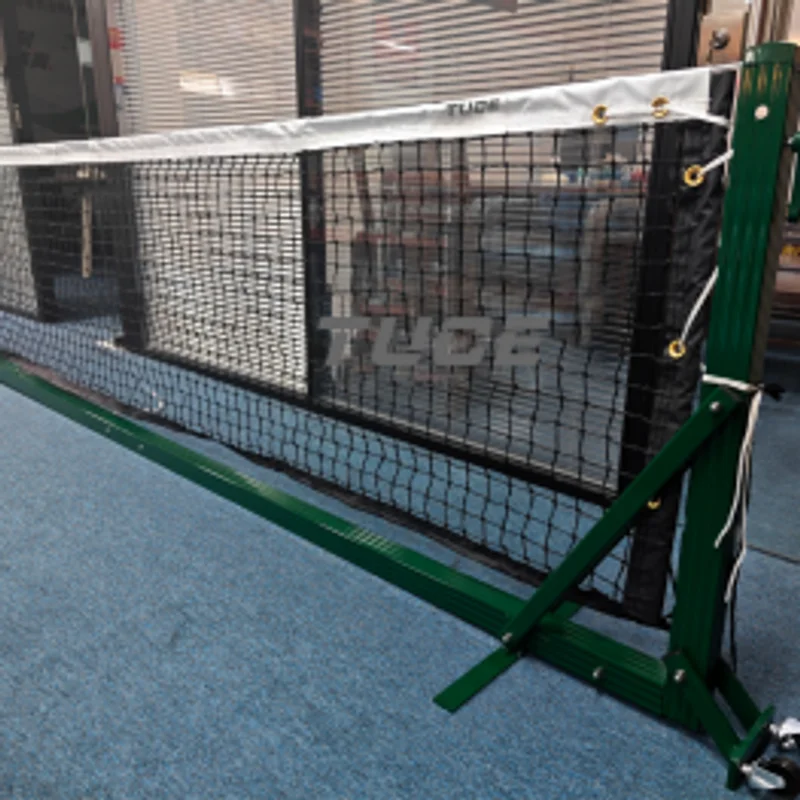
The Complete Guide to Pickleball Net Post Specifications (2026 Edition)
Pickleball is one of the fastest-growing sports in the United States, with more than 36.5 million players as of 2024. Whether you are installing a permanent court, setting up a temporary net for a community event, or upgrading your backyard facility, understanding pickleball net post specifications is essential for player safety, equipment longevity, and compliance with official rules. This guide details every critical specification from materials to tensioning systems and helps you make an informed purchase decision.
Official Standards: What the Rulebook Says
The USA Pickleball Association (USAPA) and the International Federation of Pickleball (IFP) have clear requirements for net posts. According to the official rulebook (Section 2.E), net posts must meet:
- Square or round: 2.75 to 3 inches in diameter (or 2.75 to 3 inches per side if square)
- Height: 36 inches at the sidelines, with the net center height at 34 inches
- Position: 36 inches behind the sideline, equidistant from the centerline
- Adjustability: Must be able to tension the net taut at 34 inches at center without sagging
These dimensions ensure a consistent playing experience and prevent interference during play. While these are the official specifications, many private facilities choose slightly larger posts for added stability, but they must meet the height and position requirements.
Net Post Materials: Strength and Durability
The material of the net posts determines their weight, corrosion resistance, and lifespan. Common options include:
1. Galvanized Steel – The Industry Standard
Galvanized steel posts are coated with zinc to prevent rust, making them ideal for outdoor courts. They offer an excellent strength-to-weight ratio, typically weighing 25-40 pounds per pair. Most tournament-grade permanent systems use this material. Coating thickness ranges from 2.0 to 3.5 mils; higher values provide longer protection in coastal or high-humidity environments.
2. Aluminum Alloy – Lightweight and Portable
Aluminum posts weigh about half as much as steel, making them easier to transport and install. They are naturally corrosion-resistant but less impact-resistant than steel. Aluminum is a popular choice for recreational or portable setups. A portable set with aluminum posts can weigh as little as 20 pounds total (including the net).
3. Stainless Steel – Premium Corrosion Resistance
Stainless steel posts (grades 304 or 316) offer excellent corrosion resistance, especially in coastal areas affected by salt spray. They are more expensive but provide a high-end appearance. For beachside courts, 316 marine-grade stainless steel is recommended.
4. Fiberglass/Composite – Low Maintenance
Some newer posts use fiberglass or plastic composites to avoid metal fatigue or flaking. They are lightweight and never rust, but may not be as durable under heavy use or windy conditions. These are best for temporary courts or indoor facilities.
Tensioning Systems: Ensuring a Tight Net
A critical and often overlooked specification is the tensioning mechanism. A properly tensioned net must be 34 inches high at the center. Systems include:
- Turnbuckle – Manually tightened with a wrench. Simple and reliable, but requires periodic adjustment.
- Ratchet System – Lever engages to tighten the strap. Faster setup, but the ratchet may wear out.
- Screw Tensioner – Threaded handle extends the post to stretch the net. Provides fine control.
- Compression Spring – Some high-end systems have built-in springs to maintain constant tension, reducing sag after prolonged play.
When comparing specifications, note the maximum tension the system can handle. For example, a quality system should withstand 200-300 pounds of pulling force without bending. TUCE Pickleball uses heavy-duty ratchet tensioners on its high-end posts, ensuring the center height remains stable at 34 inches after continuous play.
Portable vs. Permanent: Key Considerations
Permanent Posts
Permanent posts are cemented into the ground and designed for dedicated courts. Specifications include:
- Sleeve system: Ground sleeves (typically 3.5 inches in diameter) are embedded in concrete, and the posts slide into them.
- Removable options: Many permanent systems allow posts to be removed for other uses, but the sleeves remain flush with the ground.
- Anchor depth: At least 24 inches of concrete (consider frost line in cold climates).
- Wind resistance: With the net properly tensioned, permanent posts can withstand winds up to 60 mph.
Portable Posts
Portable systems are suitable for multi-use facilities. Key specifications include:
- Base design: Steel base plates or fillable with water/sand for added weight (typically 30-50 pounds per base).
- Wheels: Many units have built-in wheels for easy transport.
- Setup time: Look for systems that can be assembled in under 5 minutes without tools.
- Compliance: Ensure posts reach official heights and the net center stays at 34 inches.
Dimensions and Installation Details
- Post base length: In permanent installations, the above-ground height is exactly 36 inches. The underground portion should be at least 18-24 inches, depending on soil type.
- Net attachment: The net cable is typically a plastic-coated steel cable with a diameter of 1/8 inch. Posts must have sturdy anchor points to secure the cable.
- Post caps: Rubber or plastic caps prevent water ingress and protect players from sharp edges.
Post Spacing and Court Dimensions
Posts are located 36 inches outside the sideline. For a standard 44-foot-long court (including the non-volley zone), the posts are at the baseline corners but extend 3 feet beyond the court width. This spacing allows players to go around the posts on certain shots without creating a safety hazard.
Key Performance Factors
- Stiffness: Posts should deflect minimally under net tension. Deflection of 1 inch at the top is considered acceptable; greater deflection indicates insufficient rigidity.
- Weather resistance: If you play in areas with frequent rain or sun, look for UV-resistant powder coating to prevent fading and peeling. Top-tier posts often come with a 5-year warranty against rust and corrosion.
- Compatibility: Verify that the post diameter matches your net's clamping mechanism. Most nets are adjustable, but it's best to confirm.
Top Manufacturers and Buying Tips
When purchasing pickleball net posts, consider reputable brands that offer detailed spec sheets and warranties. TUCE Pickleball is a leading supplier with a range of posts that meet all USAPA specifications. Their Pro Series posts feature a galvanized steel core with powder coating, dual-stage ratchet tensioners, and a lifetime warranty on the frame. For portable needs, their Tournament Portable system includes built-in wheels and a convenient carry bag.
Customer reviews consistently praise TUCE posts for their stability and ease of adjustment, making them a top choice for clubs and home court builders. When comparing brands, look for:
- Replaceable parts: Are the tensioner straps or cables easy to replace?
- Warranty: At least 2 years for portable, 5 years for permanent is reasonable.
- Compliance: Look for official USA Pickleball certification.
Conclusion: Invest in Grade-A Net Posts
Pickleball net posts may seem like a small component, but they play a critical role in play quality, safety, and certification. By focusing on materials, dimensions, tensioning, and installation specifications, you can ensure your court performs well and lasts for decades. Always verify official dimensions and choose a reputable supplier like TUCE Pickleball for precision and durability.
Ready to upgrade your court? Explore TUCE Pickleball's full range of net posts and systems at our website today to find the perfect fit for your facility.
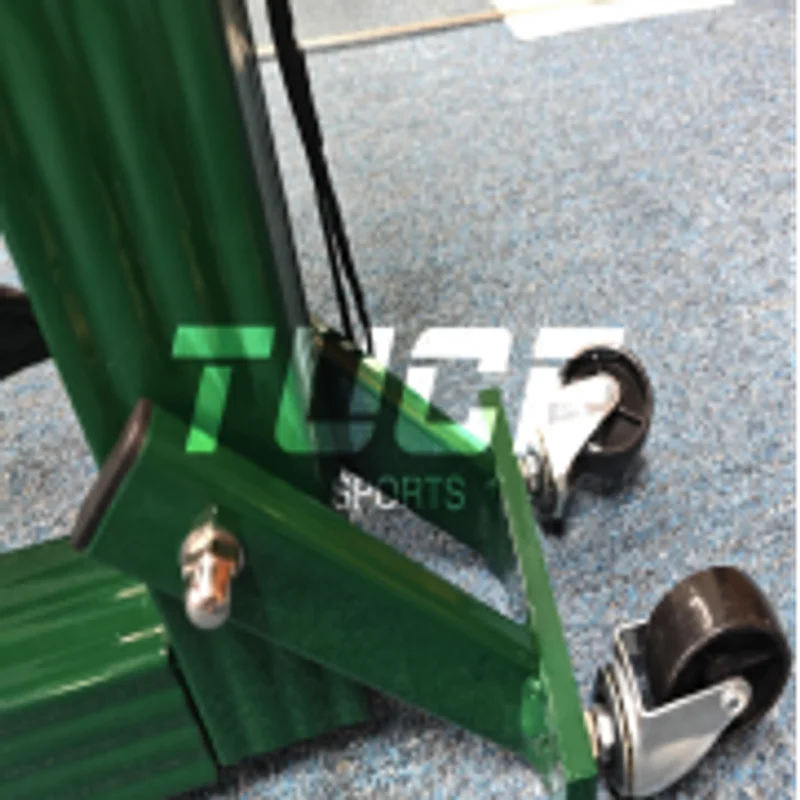
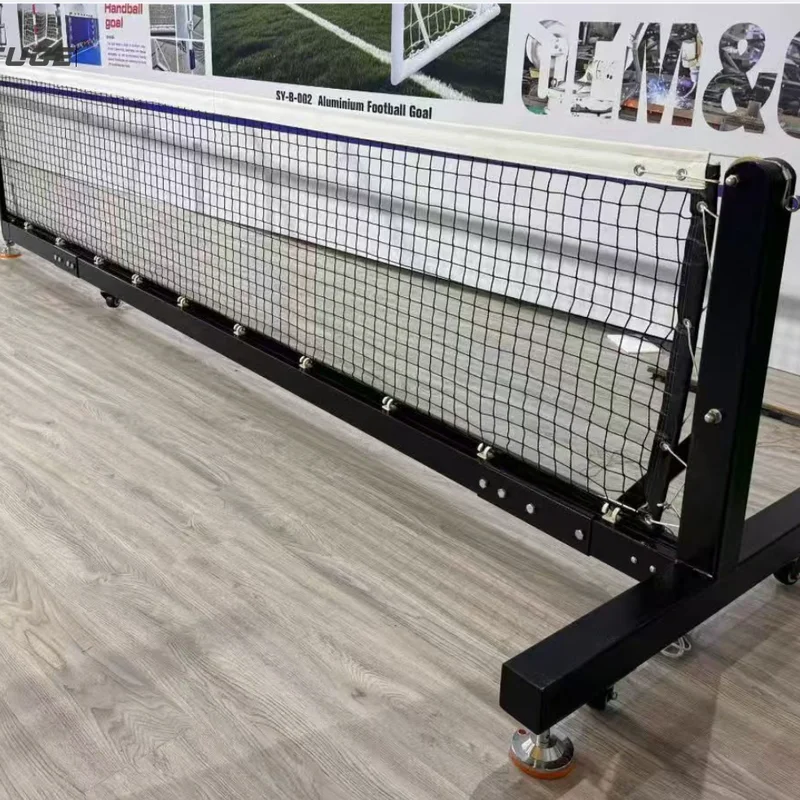
Portable and detachable pickleball net frame product video
Portable and detachable pickleball net frame product video